
"Central American flavor"
4000 article(s) found

Introduction to the world's three major coffee producing areas: American coffee estates and detailed explanation of coffee from each producing area
Coffee production in the Americas refers to Central America and South America, and the areas north of Mexico are basically non-producing coffee beans. Coffee production in the Americas is mainly distributed in the Tropic of Cancer to the equator, and several countries in Central America are basically coffee producing countries. Brazil, located in South America, is the world's largest coffee producer. Just like the spread of coffee, it cannot be separated from the era of great navigation.
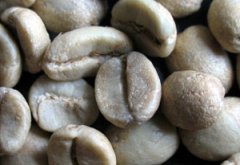
American boutique coffee beans recommend Nicaraguan coffee
Nicaraguan coffee flavor characteristics: moderate acidity, fragrant and delicious. Nicaraguan coffee of high quality is in the forefront of coffee beans in the world and enjoys a good reputation. Its particles are moderate in size, mild in taste and very aromatic and mellow. Nicaragua is located in central Central America, bordered by the Pacific Ocean to the west and the Caribbean Sea to the east. The highland in the north and the coastal plain in the east, belonging to the Central American volcanic belt.
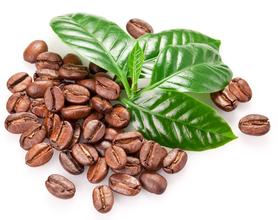
Boutique coffee beans: a detailed explanation of the producing areas and flavor of the world's boutique coffee beans
South American Coffee region introduction / SouthAmericanArea Columbia [Xuefeng] Coffee ColombiaKoguiSnowCapSpecialtySupremo: South American countries: Colombia: SierraNevada flavor: obvious nutty flavor, rich and varied overall taste. Columbia [MDLS] Manor ColombiaMDLS country: South American country: Colombian region

Central and South American Coffee Flavor washing Raw Coffee beans at La Tisa Manor in Guatemala
Coffee was really introduced into Guatemala in 1750 by Father Jesuit, where the coffee industry was developed by German colonists at the end of the 19th century. Today, most of the coffee industry's production takes place in the south of the country. There are seven main coffee producing areas in Guatemala: Antigua, Coban, Atitlan and Huehuete.

Introduction to the method of describing the characteristic Flavor of Coffee beans in Latin America
Characteristics of flavor description of coffee beans in Latin America Central and South America is the largest coffee producing area in the world, and there are numerous boutique coffees here. Take Colombia, Guatemala or Brazil as an example, good coffee is enough to make people dazzling. What is the resource advantage that makes Central and South America so good? French naval officer Gabriel Mat in 1721

Introduction of Flavor and Taste characteristics of El Salvador Himalayan Coffee Manor
The name of the national symbol editor is Salvador, which means savior in Spanish, named after Columbus's experience in discovering the American continent. The flag of El Salvador was used in 1822, was rescinded in 1865 and restored in 1912. The Constitution of the year of the National Flag of El Salvador was officially established as the national flag in 1972. The national flag is rectangular with a ratio of length to width of 335 to 189
Brazilian coffee Central and South American coffee beans Brazilian flavor
[introduction] Brazil has failed to increase production in recent years, but it has greatly improved the quality of coffee in the past decade, trying to get rid of the idea that Brazilian weight is not important to quality and that Brazilian beans are as light as water. In recent years, it has successfully transferred to the boutique coffee market.
High-priced Central American coffee beans Jamaica Blue Mountain Coffee Flavor
. Jamaica, which is famous for its coffee, is the talk of Jamaica, a small republic in the Caribbean. The slopes of the mountains that run through the island are the main producers of Jamaican coffee. The most famous is the Blue Mountain Blue Mountain, located northeast of the capital Kingston. The beautiful Blue Mountain Lianfeng is an excellent place for coffee cultivation, named after the highest peak of 2256 meters.

Flavor Overall balanced, sour and bitter Central American Honduran coffee Introduction
Honduras is a mountainous country in Central and North America with a population of more than 8.3 million and an area of about 112,000 square kilometers. Located in northern Central America. It is bordered by the Caribbean Sea to the north, the Gulf of Fonseca in the Pacific Ocean to the south, Nicaragua and El Salvador to the east and south, and Guatemala to the west. More than three-quarters of the territory is mountainous and plateau. Mountains extend from west to east, inland for lava plateau, mountainous
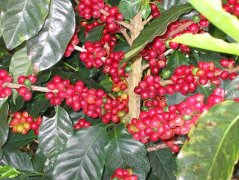
Colombian coffee bean species morphology Central and South American flavor
Species Morphology Colombian Coffee Plant Morphology Colombian coffee is mainly small grain coffee. Plants are small trees or large shrubs, 5-8 m tall, usually much branched at base; old branches gray-white, nodes dilated, young branches glabrous, compressed. Leaves thinly leathery, ovate-lanceolate or lanceolate, 6-14 cm long and 3.5-5 cm wide, tip long acuminate, acuminate 10-15 mm long, basal
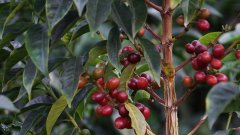
Brazilian coffee beans Central American coffee flavor
Coffee is made from fine coffee beans. If the beans used to make coffee are not specialty coffee beans, the resulting coffee cannot be called specialty coffee-one of the world's largest coffee producers and exporters that can be hailed as the coffee continent. Since there are about ten states in the vast territory that produce large quantities, Brazil has set its own grading standards to compensate for geographical differences and quality differences.

Salvadoran coffee Central and South American coffee beans
Boutique coffee is fresh coffee. Whether it's food or drink, of course, the fresh the better, and so is boutique coffee. High-quality coffee should keep the coffee beans fresh before making, including the preservation of baked beans, and grind the coffee beans into powder before making, which is also to retain its original and best flavor. And the way of making hand-made coffee is such a way to make high-quality coffee.

A Brief Talk on Sino-American Coffee-Beautiful Nature, Caribbean Spirit-Dominican Republic
Professional barista exchanges, please pay attention to coffee workshop (Weixin Official Accounts cafe_style) rather than Dominican coffee belongs to Central American coffee, but many materials are classified as Caribbean or island coffee. In addition to differences in climate and terroir, there are also differences in political independence and consumption habits, which make multinational coffee more elegant temperament belonging to islands. In recent years, it has devoted itself to

Introduction to the characteristics of Costa Rican Fire Phoenix Manor Coffee Flavor
From 1821 to 1870, the Costa Rican regime was mainly controlled by J.R. Morapolas and J.M. In the hands of the two Montealegre families, the economy has developed greatly, and coffee has grown particularly rapidly and become a major export product. From 1855 to 1857, President Morapolas commanded the Costa Rican army and other Central American countries to crush American adventurer W. Volcker's invasion defended

Flavor description of mild Nicaraguan coffee varieties introduction to the taste of boutique coffee beans in the manor
The Nicaraguan national emblem was launched in 1971. The national emblem consists of three yellow edges symbolizing equality, truth and justice. The five green mountains symbolize Honduras, Guatemala, Nicaragua, El Salvador and Costa Rica, which used to make up the Central American Federation. Blue symbolizes the Pacific Ocean and the Caribbean Sea, which are separated by the Central American isthmus. The yellow on the top of the mountain reflects the volcanic plateau landform of the area. Erect above the green mountain

Description of the flavor of Kaddura Costa Rican coffee from the Central American Costa Rican Pillon processing plant
Professional coffee knowledge exchange more coffee bean information Please follow the coffee workshop (Wechat official account cafe_style) Coffee beans produced in the high latitudes of Costa Rica are famous in the world, rich, mild taste, but extremely sour, the coffee beans here have been carefully processed, which is why there is high quality coffee. Tarasu is located in San Ho, the capital of Costa Rica.

American coffee producing area which special Honduran whisky barrel ferments vanilla cream flavor
Professional coffee knowledge exchange more coffee bean information please follow the coffee workshop (Wechat official account cafe_style) front street-Honduras Shirley Coffee introduces Central American rainforest countries, mixed with the mysterious atmosphere of ancient Mayan several Central American enthusiasm, it is suitable for single, medium or deep baking. Coffee beans with a slightly charming fragrance of flowers and fruits, very delicate and elegant

Introduction to the fragrant, pure and slightly sour Salvadoran Himalayan coffee flavor manor
The Salvadoran flag was launched in 1822, rescinded in 1865 and restored in 1912. The Constitution of the year of the Salvadoran Flag in 1972 was officially established as the national flag. The national flag is rectangular, with a ratio of length to width of 335 to 189. From top to bottom, the flag is connected by three parallel equal horizontal rectangles of blue, white and blue, and the central part of the white part is painted with the national emblem. Because El Salvador used to be

Brazilian Syrador Prairie balance Coffee Central and South American Coffee beans Citrus
Boutique coffee (specialty coffee) is also called specialty coffee selection coffee. It refers to coffee made from a small number of raw beans with excellent taste grown in an ideal geographical environment. Depending on the special soil and climatic conditions in which they grow, they have outstanding flavor. After strict selection and classification, this kind of coffee is hard in texture, rich in taste and stylish.

Introduction to the characteristics of El Salvador Himalayan Coffee Flavor Manor with mild sweetness
The Salvadoran flag was launched in 1822, rescinded in 1865 and restored in 1912. The Constitution of the year of the Salvadoran Flag in 1972 was officially established as the national flag. The national flag is rectangular, with a ratio of length to width of 335 to 189. From top to bottom, the flag is connected by three parallel equal horizontal rectangles of blue, white and blue, and the central part of the white part is painted with the national emblem. Because El Salvador used to be